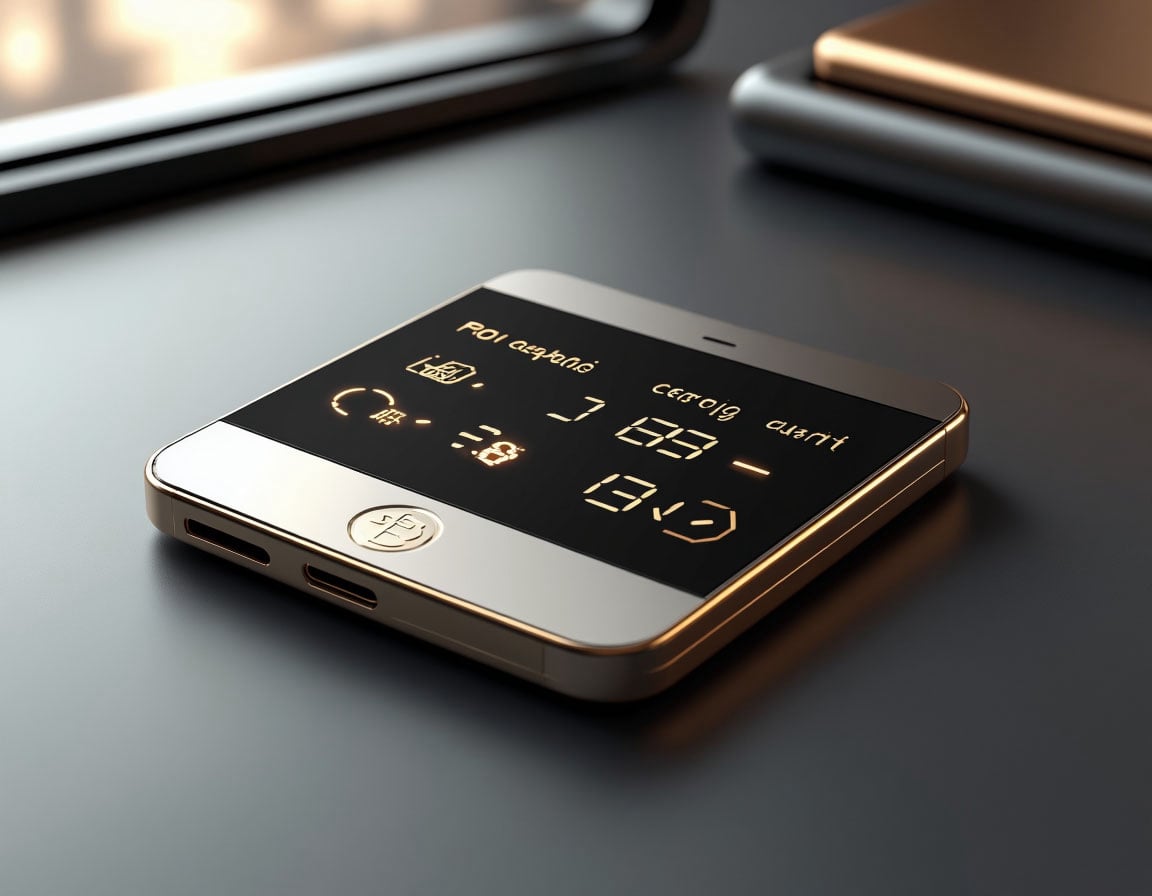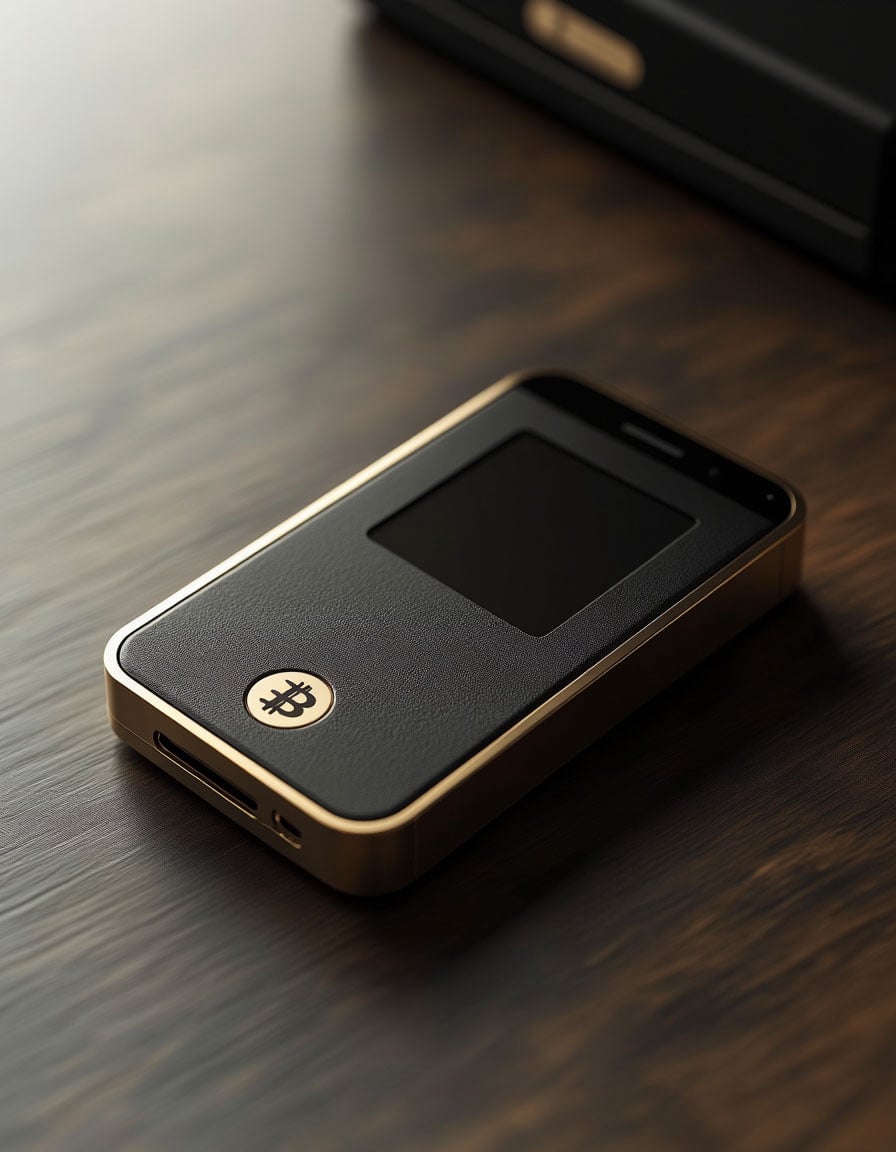
In an era of digital uncertainty, securing your cryptocoins demands more than just software. We provide a physical bulwark against online threats through specialized cold storage solutions. Our technical expertise extends deeply into the intricate world of micro-soldering and firmware restoration for damaged devices. We bridge the gap between complex blockchain technology and tangible, impenetrable security. Your peace of mind is engineered through a meticulous fusion of hardware integrity and cryptographic science. Safeguarding your eth and btc is not just our service, it is our singular obsession.
We verify every chip-level component to ensure no supply chain tampering exists before a device reaches your hands.
Effortlessly manage diverse portfolios spanning btc, eth, tron, and every major erc20 and trc20 token from a unified interface.
We perform forensic-grade diagnostics to resurrect dead hardware wallet devices without risking your precious cryptocoins.
We demystify the technical labyrinth of seed phrases and erc20 approvals so you hold your eth with absolute confidence.
Our primary mission is distributing authentic, battle-tested cold storage for every level of investor. We understand that securing btc requires a different approach than interacting with complex eth smart contracts. That is why we stock certified devices explicitly designed to isolate your seed phrases from the vulnerable operating system of your computer. To ensure you can operate across the blockchain ecosystem, we configure every hardware wallet to flawlessly manage tron and a vast array of erc20 tokens. It is physically impossible for malware to extract your cryptocoins when the signing of a transaction happens on a dedicated secure element. For the tron network enthusiasts, we ensure seamless integration for all trc20 token swaps without ever exposing your root key. We don’t just mail you a box; we ensure your journey from fiat to cold storage is frictionless and error-free.
Beyond sales, BitWrench Studio houses a specialized micro-electronics lab dedicated to physical device restoration. A cracked screen or a dead battery on a hardware wallet should never result in the loss of your btc. Our engineers perform intricate board-level repairs using hot-air rework stations and precision oscilloscopes to recover damaged USB ports and power circuits. We can safely extract and migrate the encrypted memory of a water-damaged device so your trc20 tokens and eth balances remain fully intact. Physical trauma to a cold storage unit is terrifying, but the math securing your cryptocoins remains sound if handled by professionals. Through our forensic recovery methods, we bypass broken peripherals to reach the secure chip where your erc20 and btc keys reside. We strictly adhere to a zero-knowledge protocol during repair; we will never ask for your seed phrase, maintaining the foundational promise of self-custody.
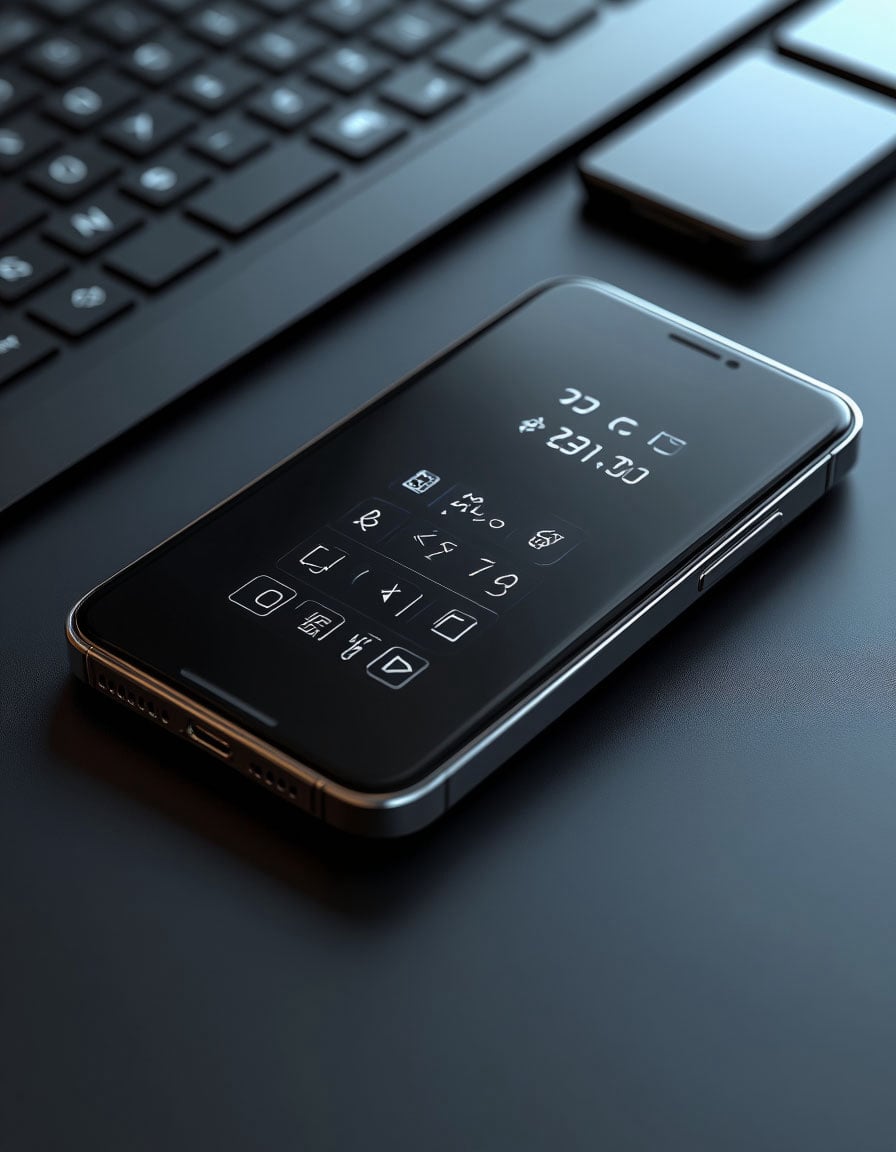
Selecting the correct device starts with an honest assessment of your trading frequency and blockchain preference. If you are a long-term "HODLer" of btc, air-gapped devices with QR code scanning and no Bluetooth connectivity provide the maximum attack surface reduction. However, if you frequently interact with decentralized applications on the eth network, you might prioritize a hardware wallet with a native mobile app interface for seamless erc20 approvals. High-volume tron users must ensure the native software can effortlessly manage bandwidth and energy resources for trc20 transfers. The physical build quality matters immensely because a robust screen is the only trustless window to verify your cryptocoins transactions before signing. Never settle for a device that lacks a secure element chip; this dedicated hardware fortress is non-negotiable for storing your erc20 and btc keys.
The second critical metric is the firmware’s transparency and open-source nature, which allows the community to audit the code handling your eth and tron. A truly sovereign hardware wallet forces you to physically confirm every address and fee, preventing blind-signing hacks that drain trc20 balances. Consider the backup methodology; if you lose the physical gadget, recovering your cryptocoins should require a shamir-based secret sharing or a standard BIP39 seed phrase. We guide our clients through the "inheritance" question, designing custody strategies so your btc can be passed down generations without a complex legal battle. The ecosystem of erc20 tokens evolves rapidly, so a device with a dynamic application manager ensures you aren't locked out of new eth tokens. Ultimately, the best hardware wallet is one that perfectly balances paranoid-grade security with the ergonomic usability you need to manage your tron assets daily.
When a device fails, the immediate fear is that your cryptocoins have somehow vanished into the ether, but that is a fundamental misunderstanding of blockchain architecture. Your btc and eth reside immutably on their respective ledgers; the hardware wallet merely holds the cryptographic key that moves them. Our repair process demystifies the daunting physical corruption of an erc20 access device, treating it as a data rescue mission rather than a balance recovery effort. Liquid damage, for instance, corrodes the copper traces that a trc20 authorization command travels through, but the secure element chip often survives the deluge. Using ultrasonic baths and flux, we neutralize corrosion without damaging the delicate silicon storing the key to your tron portfolio. We fix the physical bridge so you can once again digitally sign for your cryptocoins.
The complexity arises in isolating the fault without triggering a self-destruct mechanism that most high-security modules employ against tampering. We utilize differential power analysis and precise voltage injection to diagnose the hardware wallet logic board without brute-forcing the security perimeter. Whether a shattered display prevents you from verifying a trc20 transfer or a faulty button stops you from confirming a large eth transaction, the fix is purely mechanical. We replace the broken peripherals, allowing the untouched firmware to safely boot, leaving your btc keys and erc20 token allocations exactly as they were. Physical entropy is the enemy of electronics, but it cannot destroy the math underpinning your tron value. Our bench turns electronic waste back into the world’s most secure key manager for your digital life. Success is achieved when the device boots cleanly, and you can verify your cryptocoins balance on the screen without a single byte altered.
Understanding the nuances of digital sovereignty requires cutting through the noise. We clarify the most common misconceptions regarding physical storage, ensuring you can hold your cryptocoins with confidence. From the mechanics of blockchain interaction to the physical durability of your vault, knowledge is the best defense. This section empowers you to separate fact from the fear surrounding hardware wallet technology. Proper education on seed phrases and token standards is the first step toward unbreakable security. Let’s illuminate the path to protecting your eth and btc with clarity.
No, your cryptocoins never leave the blockchain. A hardware wallet securely stores the private cryptographic keys that prove ownership and authorize the movement of your btc, eth, or trc20 tokens on the public ledger. If you destroy the physical device but keep your 12 or 24-word seed phrase safe, your erc20 balances and tron holdings are never lost.
It is seamless by design. Since erc20 tokens are built on the eth blockchain, your hardware wallet manages them under the same umbrella interface. You simply navigate the app installed on the device to verify the contract address of the erc20 token before signing a transfer.
The trc20 standard exists on the tron network, so the tokens are safe. Our repair lab focuses on restoring power to the hardware wallet hardware. If the board is completely dead beyond repair, you can recover all your trc20 assets instantly by importing your recovery seed into a new hardware wallet that supports tron.
A phone is a connected multipurpose computer with thousands of attack vectors, making it vulnerable to remote hacks targeting your btc. A hardware wallet physically isolates your seed phrase inside a secure chip that never connects to the internet. Transaction signing for btc happens offline inside the device, keeping your cryptocoins safe even on a malware-infected PC.
This is prevented by the "trustless display" principle. A genuine hardware wallet will show the exact destination address and amount of eth on its own screen. You must physically press a button on the device to sign; no software can bypass this, ensuring that a hacker cannot trick you into sending cryptocoins to a false eth address without your visual verification.
302 Desert Vista Rd, Whitewater, CO 81527, USA